Shaping a Neo-Noir Afterlife: Kinan Massarani on the visual world of Ethernel
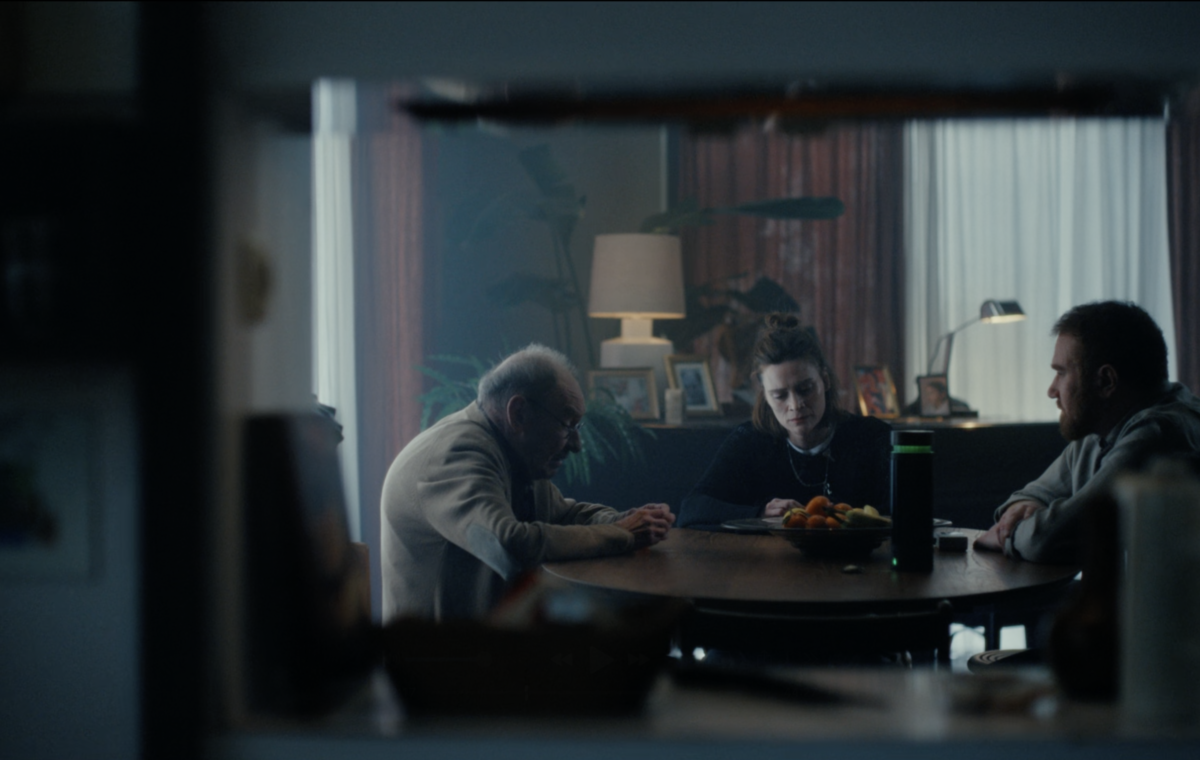
Created by Nicolas Boucart and Olivier Tollet, Ethernel is drama thriller TV series that follows David Novack, a former detective who is haunted by his wife’s unsolved murder. Novack is now employed by the “Ethernel Brigade,” where he gathers testimonies from beyond the grave to help resolve murder cases. Kinan Massarani, SBC served as DOP on the show.
Initially, Massarani was the B-camera operator on the show’s pilot episode, with Joachim Philippe at the helm as cinematographer. “Joachim couldn’t return for the full show as he was working on another project,” he begins. “So, they asked me and I already knew Nicolas, having previously worked with him on some short projects. We got along very well, so it was quite natural.”
Having worked on the pilot, Massarani already understood the project and the look that the directors were trying to achieve. Despite this, he admits that the pilot was aesthetically very different from the actual show and things were switched around quite a bit. “The final version is much more stylised, whereas the pilot was more grounded and realistic.”
One of the show’s creators, Romain Renard, is also art director on the show. Renard’s background as a comic artist and illustrator helped inform the look of the series. “Nicolas, the other co-creator is also a key grip as well as a director, so they both have strong visual ideas and inputs,” says Massarani. “They both had a precise look in mind.”
Some of the references came from Renard’s own work and he also created the show’s opening credits. Initial conversations revolved around defining key elements from the script.
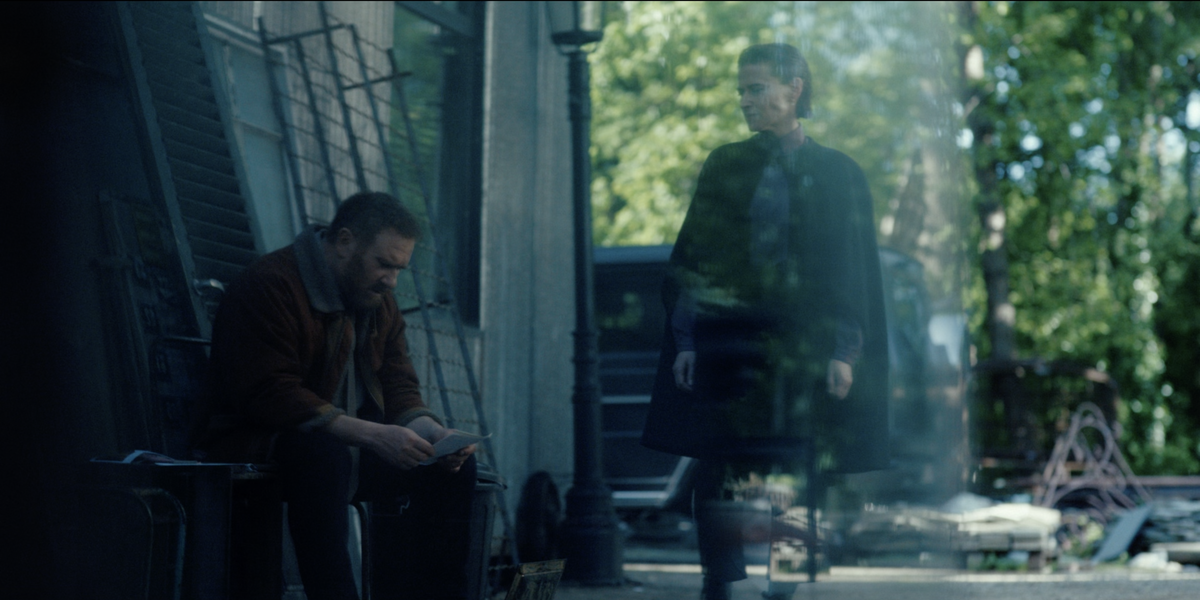
“There are lots of motifs that are interesting to convert into visual ideas, like the phantomatic presence of dead people around us. Slow travellings, weird camera angles, reflexions and out of focus shot were the kind of visual tools we used to convey this presence,” adds Massarani. “All the objects are suspected to be related to the dead people. We used a lot of close ups on objects and textural out of focus foreground to get those objects physicaly present in the shots. There’s this tension between spiritual and religious aspect of dead people and at the same time the very crude and physical aspect of a dead body. We discussed this in detail about how to translate it visually and to find ideas around those elements. The art department obviously did a terrific job and provided us with a huge number of small details in every set that we could use, such as mirrors, objects etc … There’s also a strong neo-noir aspect to the script, investigation etc and so it had a lot of weight on the way we lighted and framed the show.”
Despite being filmed in Brussels, Massarani notes that they wanted to purposefully avoid portraying Brussels as the show’s setting. The challenge revolved around achieving a highly controlled look at Belgian TV production scale. “We wanted to avoid the realistic and chaotic sides of it. So, we spoke about how to film Brussels in a more abstract way and find locations that would suit the mood of the show. We wanted more post-industrial locations and more modern areas like North station which has all these big buildings and glassy texture etc. When you think about the city, you don’t think of these places and that was the idea. You never really know when or where you are within the show, which is purposeful.”
Massarani captured the show on the Sony VENICE, paired with Canon FD lenses rehoused by TLS. “I absolutely love them; they are smooth and sharp at the same time,” he says. “We wanted a crisp look, very modern but with that smoothness and shallow depth of field. They are like T1.4, so you can really push it and have this tool to wide open it if you want. We used the 45mm lens 50% of the time,which is a bit of a weird focal length for cinematic use. It’s one that TLS picked from an old Yashica rangefinder from the 60’s and repurposed it in their canon FD series to fit between the 35 and the 50. We used it lots and that served as the main one. We used it as a short standard focal lens, it was as good on medium shots as it was on close ups.”
As Massarani was already familiar with the lens, having used it several times before, he knew in advance that he would utilise it for Ethernel. “We did some testing with makeup and costumes etc. I like to test a lot and it’s never enough or sufficient, but it was a very good platform to make the LUTs afterwards and to have good communication with makeup and the art department all in the same mood in terms of colours and everything.”
Massarani had creative freedom to bring forward lots of ideas and was trusted completely by the directors. He admits that he tried lots of things that he wouldn’t normally try, such as strong colour contrast. “They had lots of ideas in terms of mood but they let me be very free to experiment, especially with lighting. Nicolas was the one who talked to me the most due to his similar background as a camera operator, so we had a common language to speak about the shots. It was very interesting to have a director that’s as obsessed with the image as you and who managed to make me feel good despite being so close and obsessed by framing. It was great to have this relationship because it could have been difficult having someone directing who is also an operator. It was basically two brains instead of one and it worked really well.”

Massarani worked alongside gaffer Jeremy Bell and the goal was to have a stylised lighting approach. “It’s a Belgian show where money, people and time are quite sparse, which ultimately makes it difficult to approach in a stylised way. We used a lot of lightning strategy, depending on the scene. We had lots of LEDS fixtures and used pratical lamps a lot. But we always chose stuff that was manageable in terms of schedule and gear. Keeping that style without compromising everything else was the main challenge when it came to lighting.”
Despite the setbacks, Bell ensured the style remained throughout. “He always tried to light it perfectly but keeping in mind that we had to work super fast. We only had 48 days to shoot this, which is quite limited for six episodes. There were lots of practical constraints to contend with. We also didn’t want the Belgian cloudy type of lightning. We really wanted to avoid that, so we tried to use as much sun effects as we could. We didn’t use much natural light because of that and because of how unpredictable the weather is in Belgium. We covered most of the windows and light from outside with HMIs to always have control. In the family house for instance it was a challenge because we had a huge bay window facing south. We tried to balance beetween careful schedule strategy, light placement and the use of sheer curtains to maintain continuity and look.”
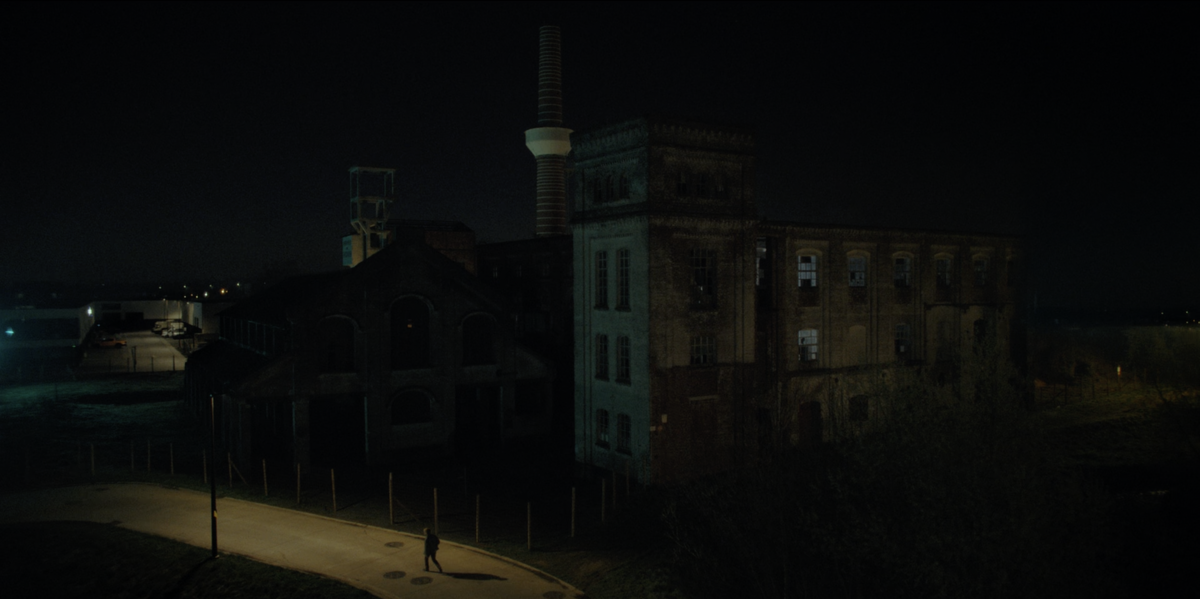
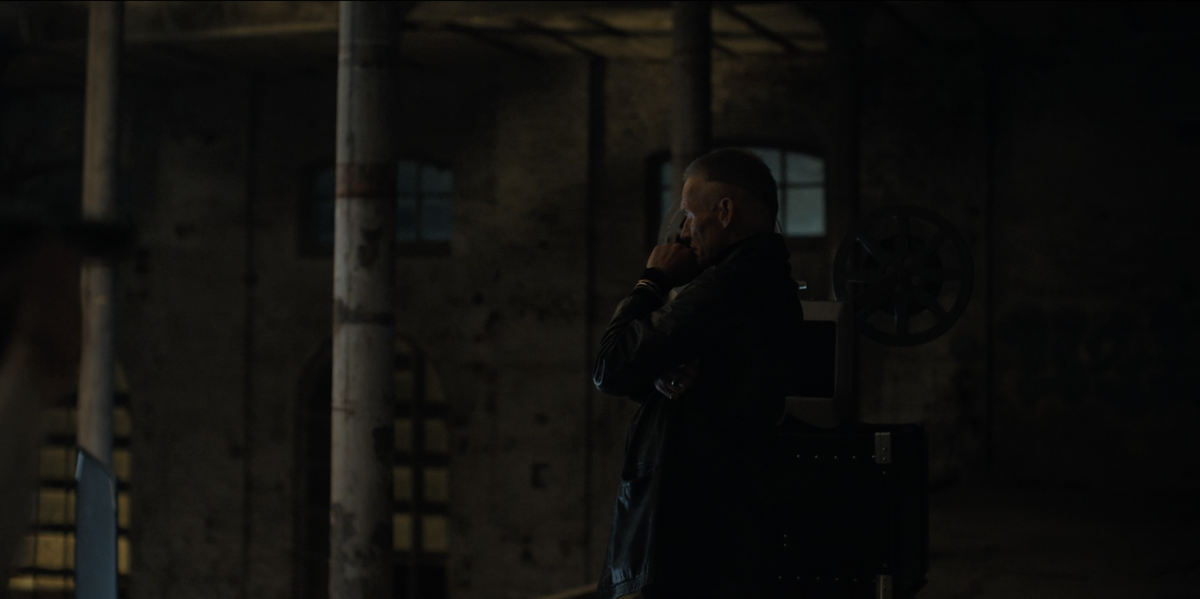
One particularly challenging sequence to shoot was a night scene that takes place in an abandoned factory. Due to time constraints, there wasn’t ample time to shoot it. “We had to move lots of stuff around and we didn’t have many people. We were also halfway through shooting, so everyone was quite tired. It was two full nights and it’s always difficult to get the rhythm having to do that in the middle. The set was also very big and we wanted to light from the exterior. We didn’t have cranes either to hold the light or big light sources as we couldn’t afford that, so we had to use lots of little lights which was a lot to handle for a small crew.”
The series was very prepped and controlled, but B camera operator, Charlotte Marchal was tasked with coming up with unique and weird shots that would add spice to sequences. “Charlotte was always trying new stuff,” says Massarani. “We made very few shots for a TV show due to time constraints and the b camera footage was essential. I think her shots really added a lot of characteristics to the show and made it weirder and more surprising.”
For Massarani, the relationship with the crew was what made the overall project so enjoyable. “It was such a pleasure because we tried to do things a bit differently to what is normally done on a small scale series. They tried to maintain the level of expectation that we wanted. It’s so good to have a crew that is always motivated and always pushing you.”
Key Crew
Electrician: Benoit Dericke
Gaffer: Jeremy Bell
First assistant “A” camera: Aurélien Dehin
Second AC: Laure Derbécourt
Additional Electrician: Maël Fertin-Jung
First assistant “B” camera: Guillaume Gry
Grip: Cyril Jean
Video assistant: Elodie Lebrun
Bestboy: Nicolas Mambourg
B camera operator: Charlotte Marchal
Additional Grip: Leo Robeet
By Oliver Webb