
Sylvestre Vannoorenberghe SBC on the subtle cinematography of Think Good
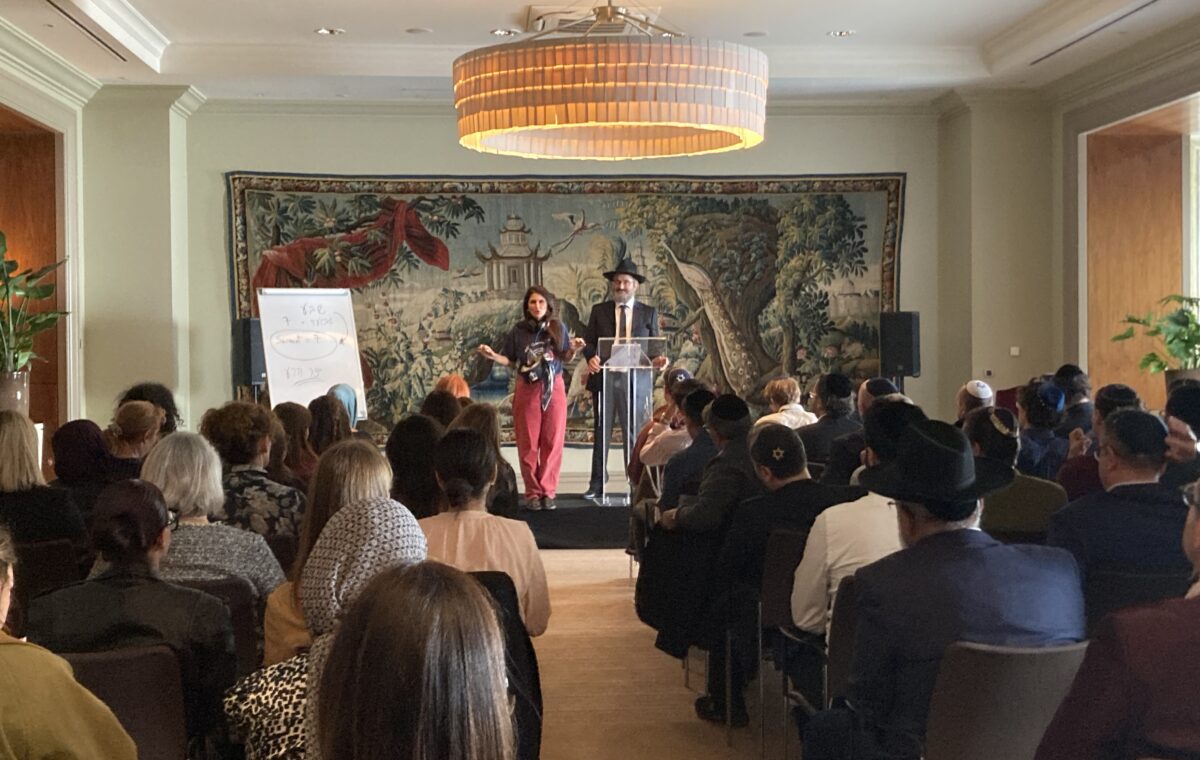
In Dubai, Gil (Monia Chokri) falls passionately in love with Jacques (Niels Schneider), leading to a whirlwind romance and hasty marriage. As their relationship unfolds, Jacques uses faith to manipulate, isolate and control her, trapping Gil in an increasingly toxic relationship. As psychological abuse escalates towards physical violence, Gil must find the strength to escape and reclaim her life. Directed by Géraldine Nakache, Think Good was captured by DOP Sylvestre Vannoorenberghe SBC.
Vannoorenberghe begins by telling me that Think Good is not meant to be easily understood through its visuals. “That informed the shooting,” he says. “Géraldine wanted me to be at the service of the actors. The main focus was not to imply anything visually, which is of course quite contradictory to the role of the DOP.”
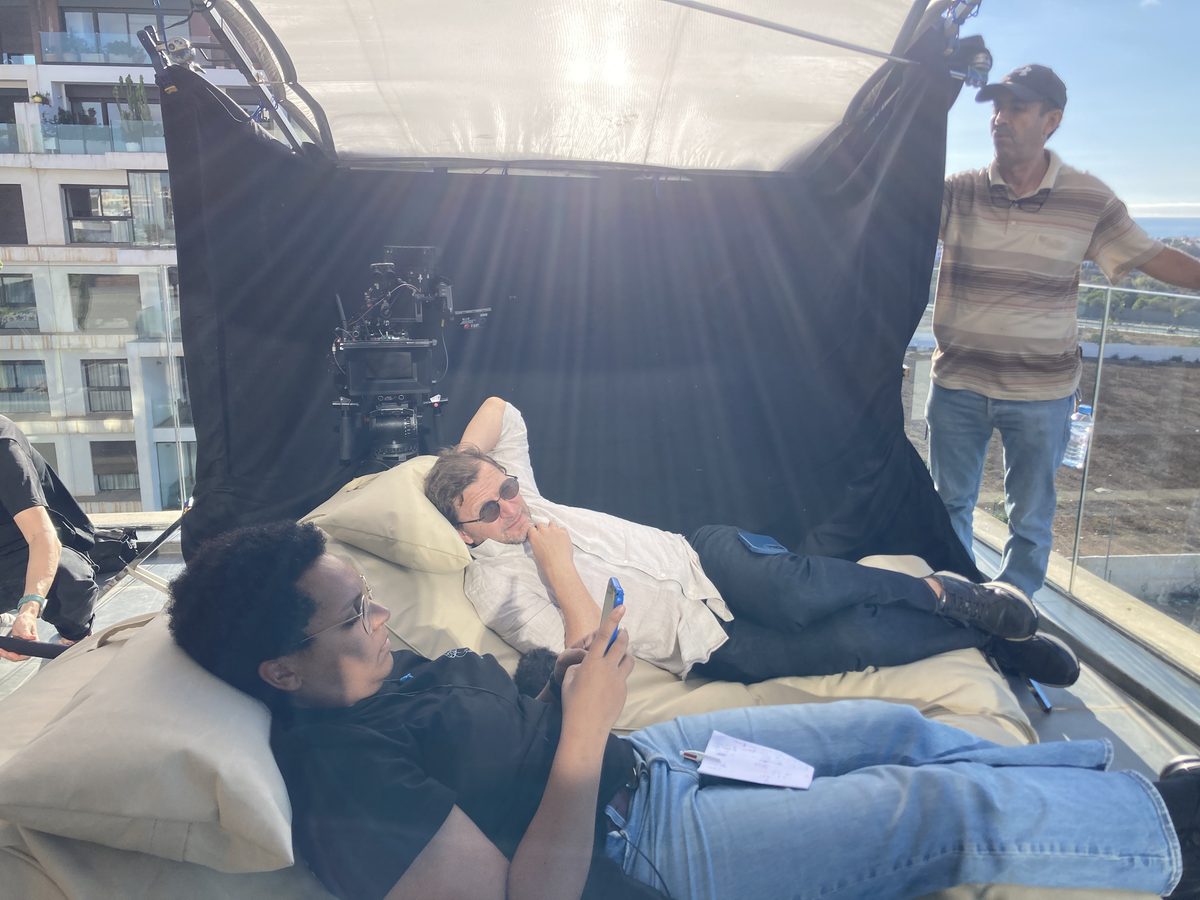
It was integral that the visuals wouldn’t take away from the importance of the story, whether it be lighting or framing. “We wanted it to appear mundane. The whole point of the movie is that it’s under the eyes of everybody. It doesn’t look very dangerous. It doesn’t look menacing. Sometimes I would frame things and it would ultimately look too much like a thriller. We looked at other films as references that did that and so I was fighting not to do that here. It was a good learning curve and experience.”
Vannoorenberghe admits that when usually approaching a project he wants to tell the story with light. “It was the opposite in this case,” he says. “We had to be clean, simple and almost flat on everything. It’s for the good of the story. The final result of the film changed because the original story focused on more of the good moments between Gil and Jacques, but ultimately that would have led to viewers not really understanding who Jacques is and what he does to Gil. In the edit, lots of those things went away and it became an addition of things that were suffocating. Now it’s clearer from the beginning that there is something off with him.”
This approach extended to the film’s overall visual language. Vannoorenberghe acknowledges that it could have been shot as bright and romantic, as he feels it’s more interesting to have all these difficult situations happen within an environment that is appealing and easygoing. “We still had challenges in terms of the sets, but that was our main brief.”
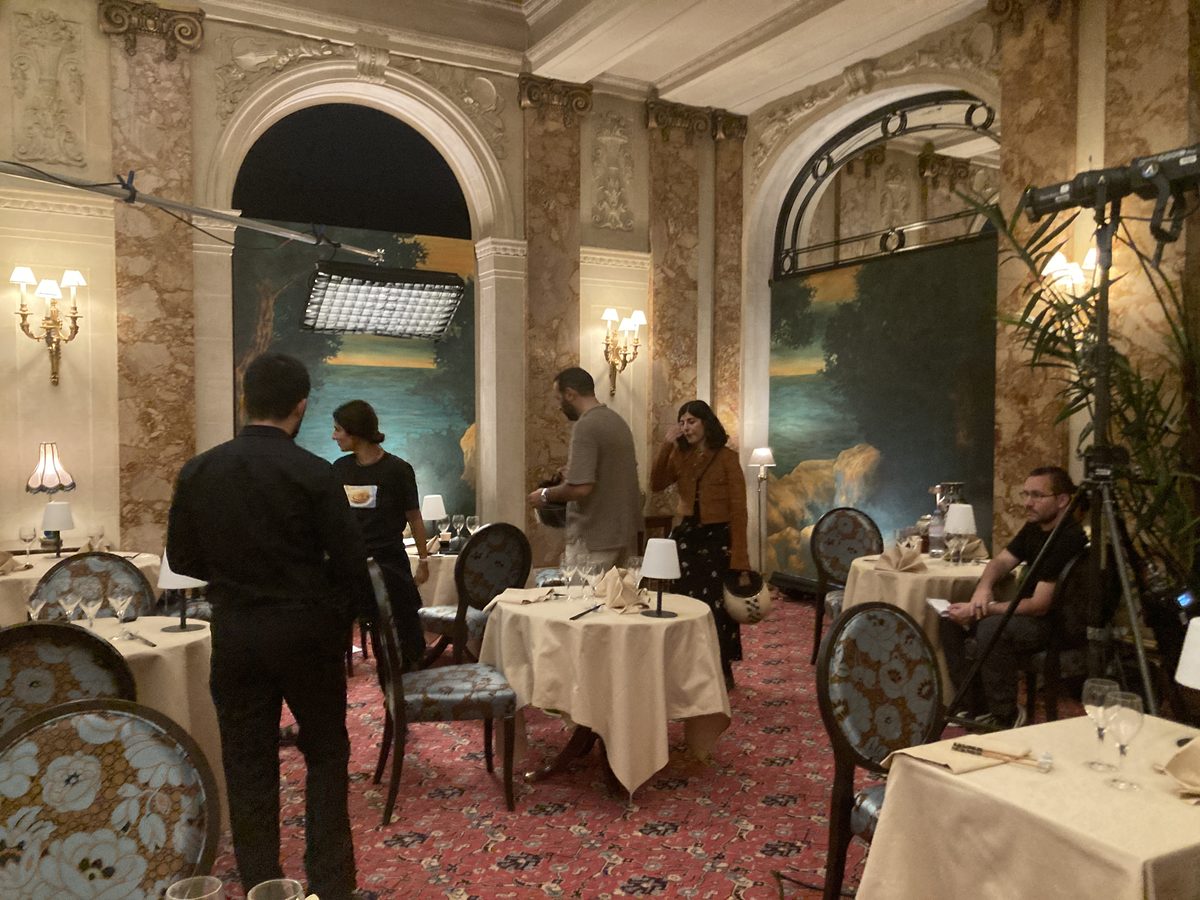
When it came to their initial conversations about the look of the film, Nakache and Vannoorenberghe looked at James Gray’s Two Lovers as references for the film’s night sequences and Felix Van Groeningen’s The Broken Circle Breakdown for its approach to shoulder camera work.
Vannoorenberghe had two visual concepts in mind when it came to Think Good. The first was glass. For much of the film, Gil’s behind the glass of the big house she’s staying in and we see Jacques reflected in it as she waits for him to arrive. “At the end, she’s behind the glass at the police station, where she sees his reflection again.”
The second recurring theme was faces, which was emphasised in the grade. “We also decided to switch to CinemaScope in post, even though we’d shot in 1.85:1. I felt the wider aspect ratio made the film feel more oppressive and that the compositions worked better. We didn’t lose any information, but we gained a sense of oppression that felt more appropriate to the film.”
Vannoorenberghe also decided to shoot much of the film in close-up and that approach remained largely unchanged. “Because the story moves back and forth in time, we wanted to introduce subtle differences in the camera’s texture and in the quality of the sunlight. The past is warmer, while the present is bluer, cooler and whiter. We used Cooke lenses for the present and vintage Zeiss lenses for the past, which gave those scenes a softer, more flared and sometimes more ethereal quality. We also varied the texture of the 35mm image to help communicate the shifts in time. We weren’t sure whether we would use title cards, so we wanted the visual language to suggest that the action wasn’t simply unfolding over a two-week period, but moving back and forth through time.”
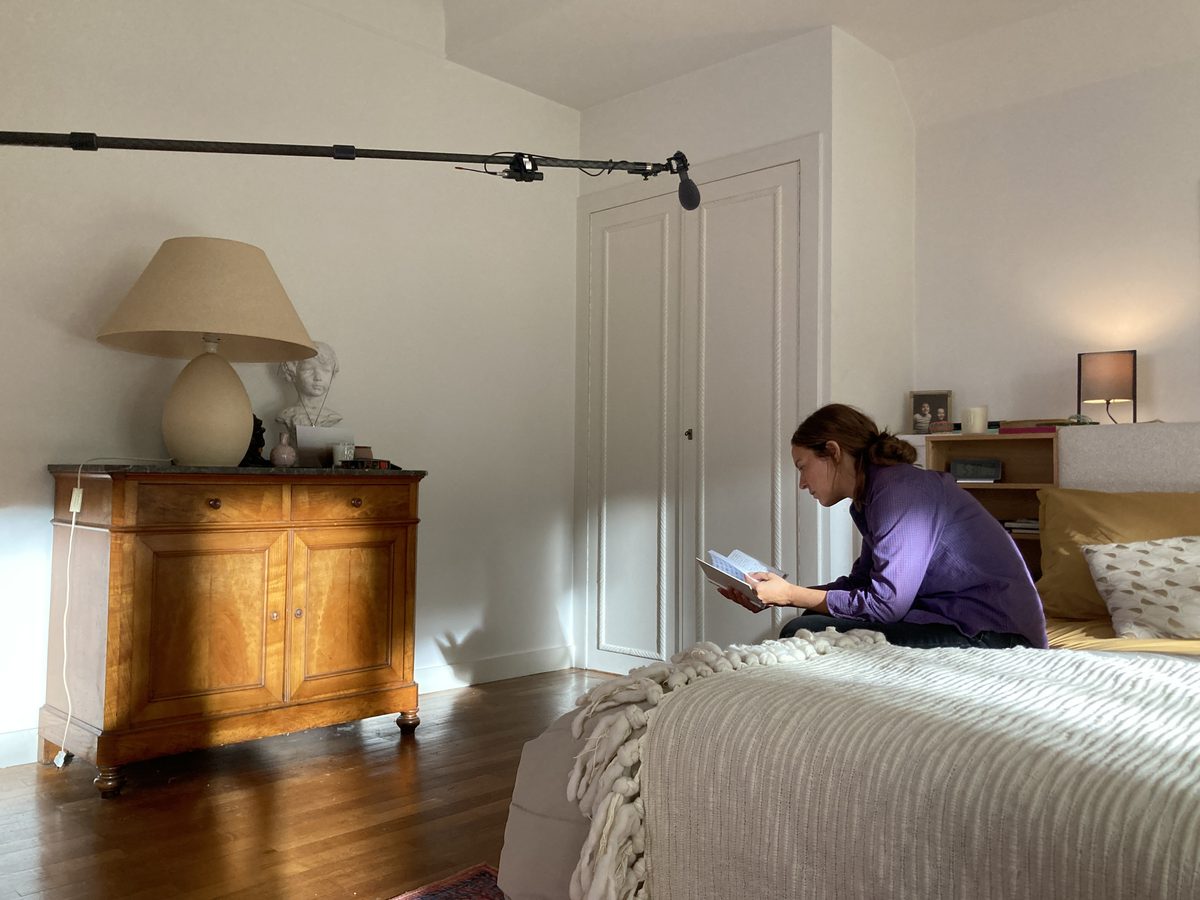
The camera, he argues, shouldn’t be the thing that tells you when something is dangerous. “Those changes had to be tiny and unremarkable. You should be able to feel them because you’re immersed in the story, not because the image or composition suddenly shifts to signal that something is wrong.”
Most of the shots were constructed as oners, although they were used for numerous situations. “Our approach was to give Gil the space to remain within a single shot for as much of each scene as possible. In the edit, we tried to reinforce the sense that all these people are watching her, particularly in the confrontations between her and members of her family.”
Vannoorenberghe says that they ended up cutting more than expected in post. “During preparation, we looked at a French film, which I won’t name, partly because we knew we didn’t want ours to look like it. It’s a film that Géraldine and I don’t particularly like because the imagery is so pronounced and the cinematography so beautiful that it becomes too meaningful in itself. That undermines the idea that a woman like her could fall for a man like this. If she meets a man like him and the images immediately take on the language of a thriller, we already know something is wrong.”
Vannoorenberghe selected ARRI ALEXA 35 to shoot the film. “We had lots of bright lights and over exposure and so I needed a camera that could handle that very well,” he says. “I also tested the enhanced sensitivity that the camera offered for the night scenes and it was very good. It allowed me to not have the output I’d have with something less sensitive and I could also increase the textures in the dailies without having to go back.”
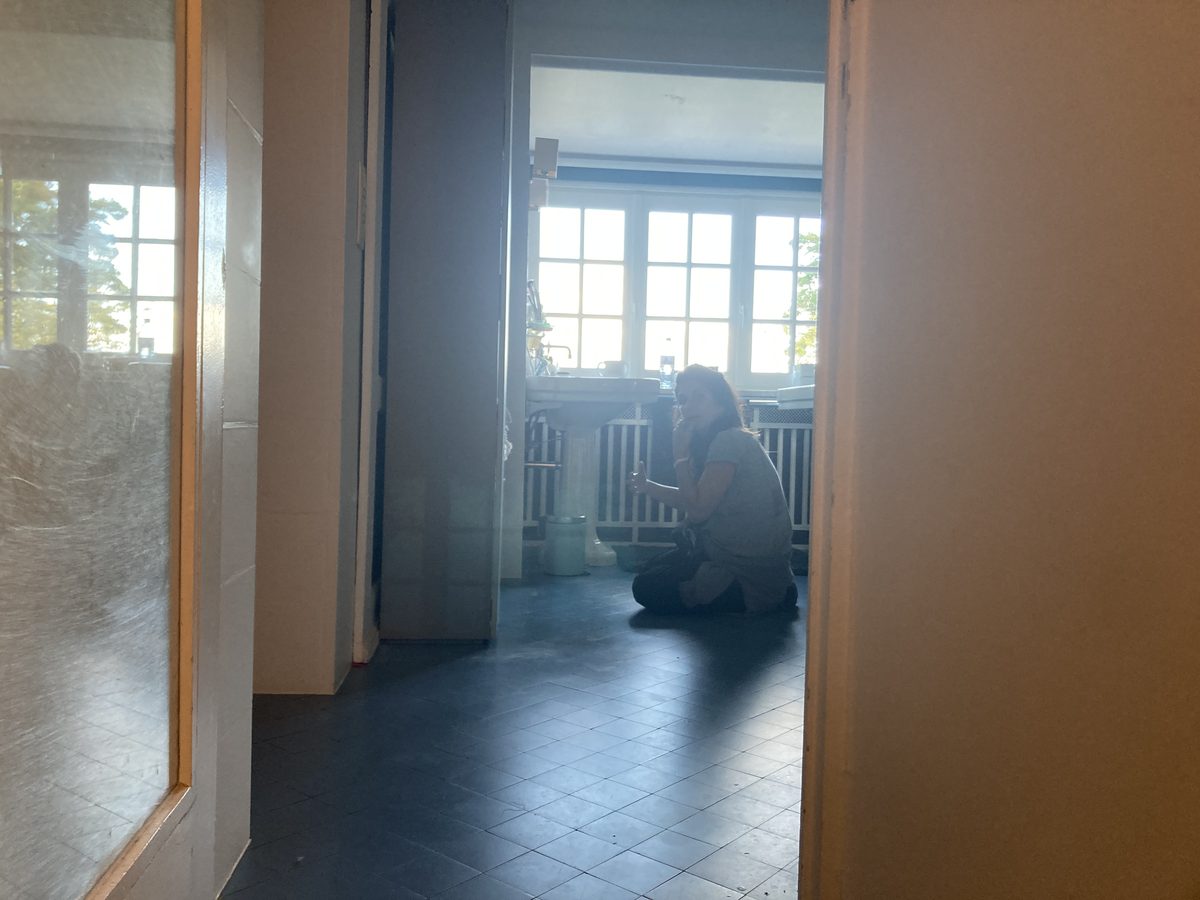
The film was shot over a period of 30 days, with some pickup required in Paris for the aquarium scene and the apartments at the end of the film. Vannoorenberghe argues that much of his creative freedom revolved around reacting to the actors. “My main choices of lenses also revolved around the way I move and dance with the actors. I was lucky because the cast were incredible and also very technical and also not very demanding. There were only a few shots where we already had something in mind, but otherwise we could just go in and interact. We wanted the scenes to be realistic and freeing.”
The actors had room for improv when they were finding a scene. “They could change the scene, for example,” says Vannoorenberghe. “They could change their lines if needed and even their position. Géraldine is very good with that as she’s an actor herself. So, she would let the actors change a scene if it fit well.”
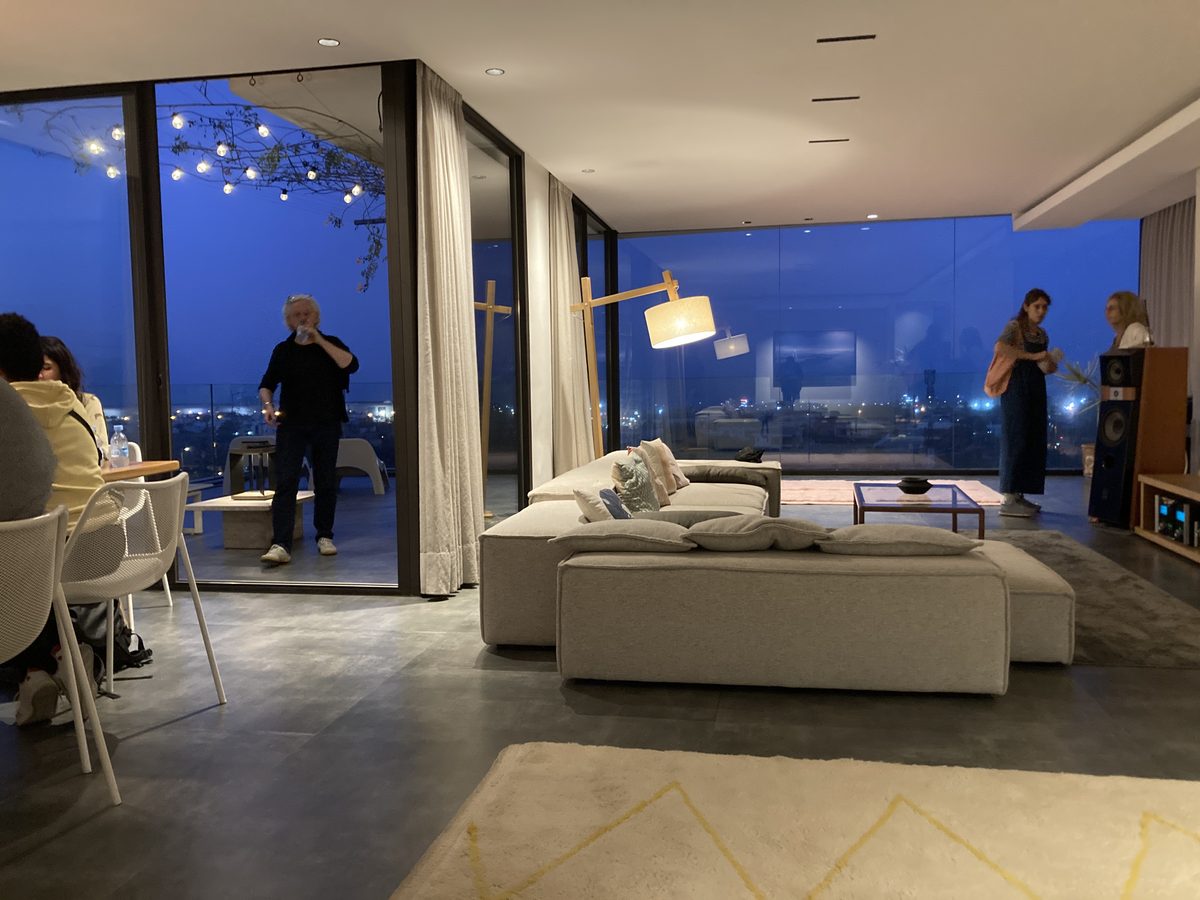
Vannoorenberghe enjoyed the freedom he was allowed on the project, despite the limitations of the visuals not being the focus. “The mood in on the set was incredible because everybody was aware that we were telling a special story. We knew that the director had done the work and research and she knew very well what she was talking about. I had the crew I always have, which meant we could work quickly. Also, the director is very collaborative in terms of rewrites and the way she works. So, if somebody had a good idea, she’d listen and use it. There’s no ego there. That made it more realistic and easier for the actors.”
Switching the scope in the grading process was also a first for him. “When the collaboration is going so well, you can allow yourself to find a way to make the film better even if it’s very late in the process. And if everybody trusts everybody, they will listen. Building trust allows you to work hard until the end, which is a great lesson.”
Key Crew
Electrician: Ayoub Amaarak
Underwater camera operator: Alexandra Brixy
Additional electrician: Arnaud Guez
Electrician: Antoine Labadie
Grip: Tiziano Lo Presti
Camera trainee: Arthur Quinet
Electrician: Florian Ruggeri
Electrician: Michel Sadowski
DIT: Emile Scahaise
Key grip: Romain Tardy
DIT: Simon Torbeyns
2ND AC: Tom Vander Borght
2ND AC: Loris Witwicki
1ST AC: Benjamin Vincent
By Oliver Webb